Service Design Agency
We help organizations move toward a better customer experience. By designing and implementing services in co-creation.
Superellipse is a Belgian service design agency. We help organizations improve their service and customer experience or design a new service from scratch. We map the customer journey, design what needs to work better and help build what it takes: the digital platform, the physical space, the product and the processes behind it. From research and strategy to design, testing and rollout. Studios in Mechelen and Antwerp.

What is service design?
Service design is a human-centered way to design or redesign services. You look at the full journey someone goes through, across every touchpoint, online and offline. You don't just design what the customer sees, you also orchestrate the processes, systems and people that make the service work.
Services aren't tangible. You can't pick one up the way you can a product. But they are made up of very tangible things: a form, a phone call, a waiting room, an email, an app, an employee who helps you. Service design turns all of that into one coherent whole by making sure every part connects logically and adds up to a smooth and pleasant customer experience.
What kinds of organizations do we work with?
Government and public services
Application procedures, service desks, digital services, communication with citizens. Public services call for good service design: you don't get to choose your audience and you have to work for everyone. The federal government uses Lou Downe's fifteen principles of good service as its framework. We work along those same lines and have helped more than 30 local governments improve their services.
Healthcare and wellbeing
Care pathways, reception, communication between care providers and patients, the experience of a waiting room.
Museums and tourist attractions
From the moment someone buys a ticket to what they tell people back home. Visitor routes, storylines, digital experience, the experience of a space.
Retail and food
The in-store experience, the customer journey across channels, the role of technology on the sales floor.
Digital platforms and SaaS
Onboarding, adoption, retention, the journey from first-time user to returning user.
Service businesses and industry
From installation and maintenance to after-sales support. A good product with poor service around it loses out to an ordinary product with good service.












You notice what Superellipse adds as early as the master plan. While we're busy with restoration and architecture and the landscape designers are drawing the landscape, they're thinking about how a visitor experiences the site. They give that experience direction: which path you take, and why that one. That's not signage added at the end, that's helping shape the experience itself.
Karen Bernaerts
Ir. architect bij Erfgoed en Visie
What does a service design agency do?
A service design agency studies how your service works today, designs how it could work better and helps you actually roll out that change. Here's what we do in practice:
User research and customer insights
We talk to the people who use your service and to the people who deliver it. Interviews, on-site observation, contextual research, shadowing days. We look at what people do, not just at what they say. What you get: insights that validate and deepen the challenges and findings from your workshops.
Customer journey mapping
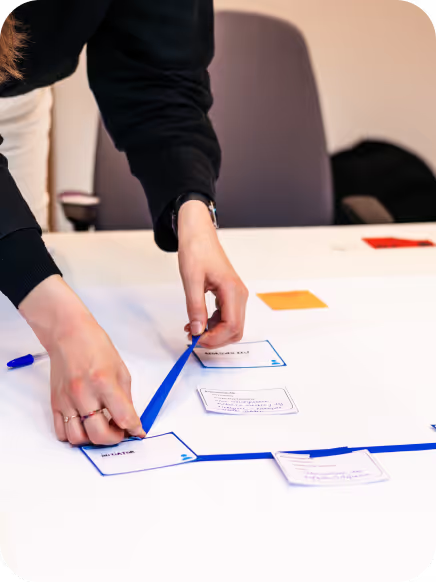
We map the customer journey: every step someone takes, from the first moment they hear about you to long after the purchase or application. Including the emotions, the doubts and the points where people drop off. What you get: a customer journey map your whole organization can read, showing both where you are today and where you want to be.
Service blueprints
The service blueprint comes next, as part of the implementation roadmap, and it looks ahead. It starts from the target customer journey and sets out what it takes to make that journey work: who does what in front of and behind the scenes, which systems are involved, which handoffs need to happen and what's still missing today.
Personas and customer segments
Not everyone goes through your service the same way. We build personas based on research, not on assumptions made around a meeting table. What you get: a set of personas your teams actually use, each with its own journey, needs and the moments where things break down.


Designing new services
Sometimes you start from an idea, more often from a service that already exists. Either way, we start with what's happening today: how the journey runs now and where it gets stuck. From there we work toward concepts. We design several directions, make them tangible and put them in front of real users before you spend budget on them. What you get: a fully developed service concept, tested with your target audience, and a plan to roll it out in phases.
Co-creation and workshop facilitation
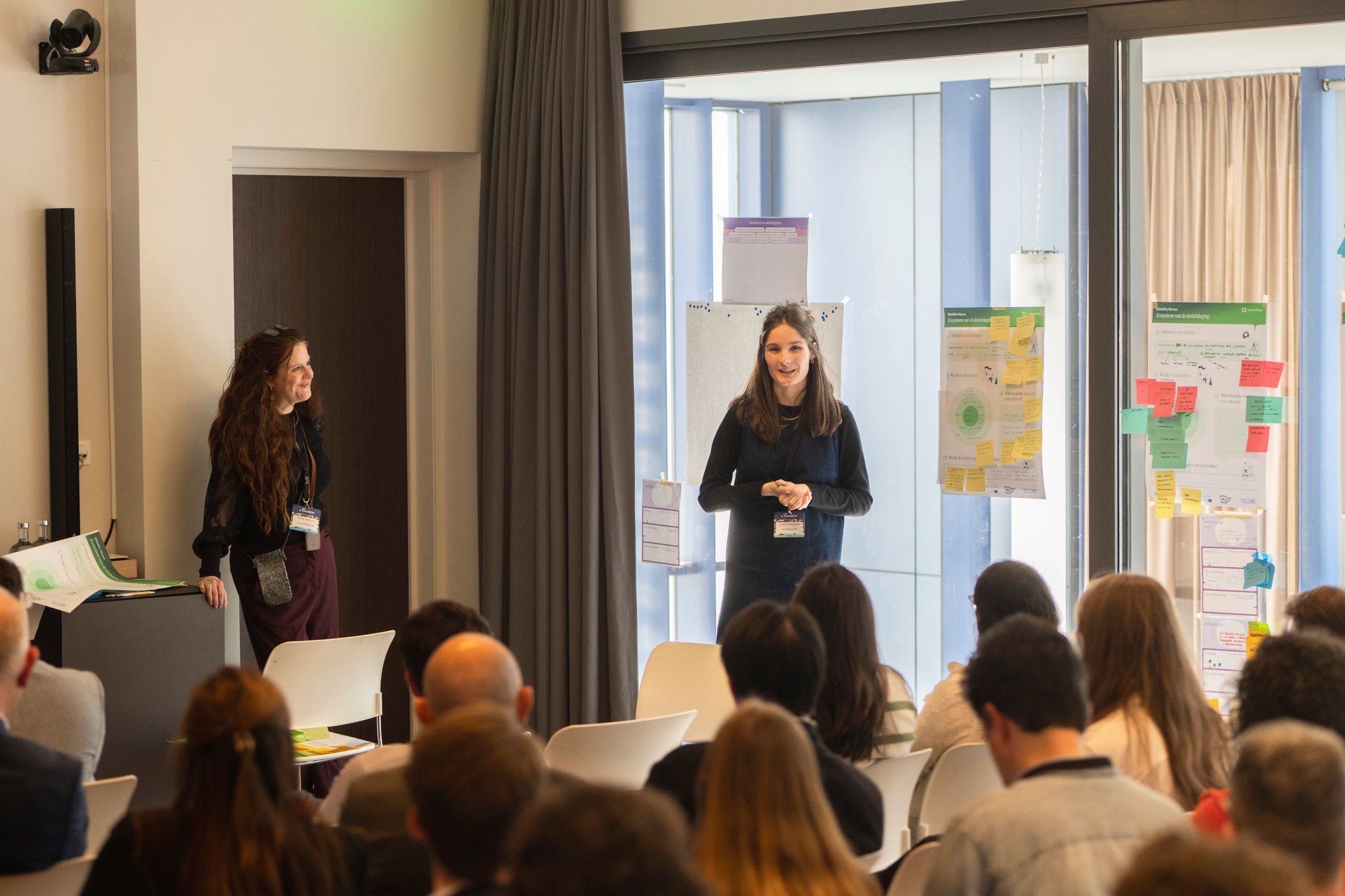
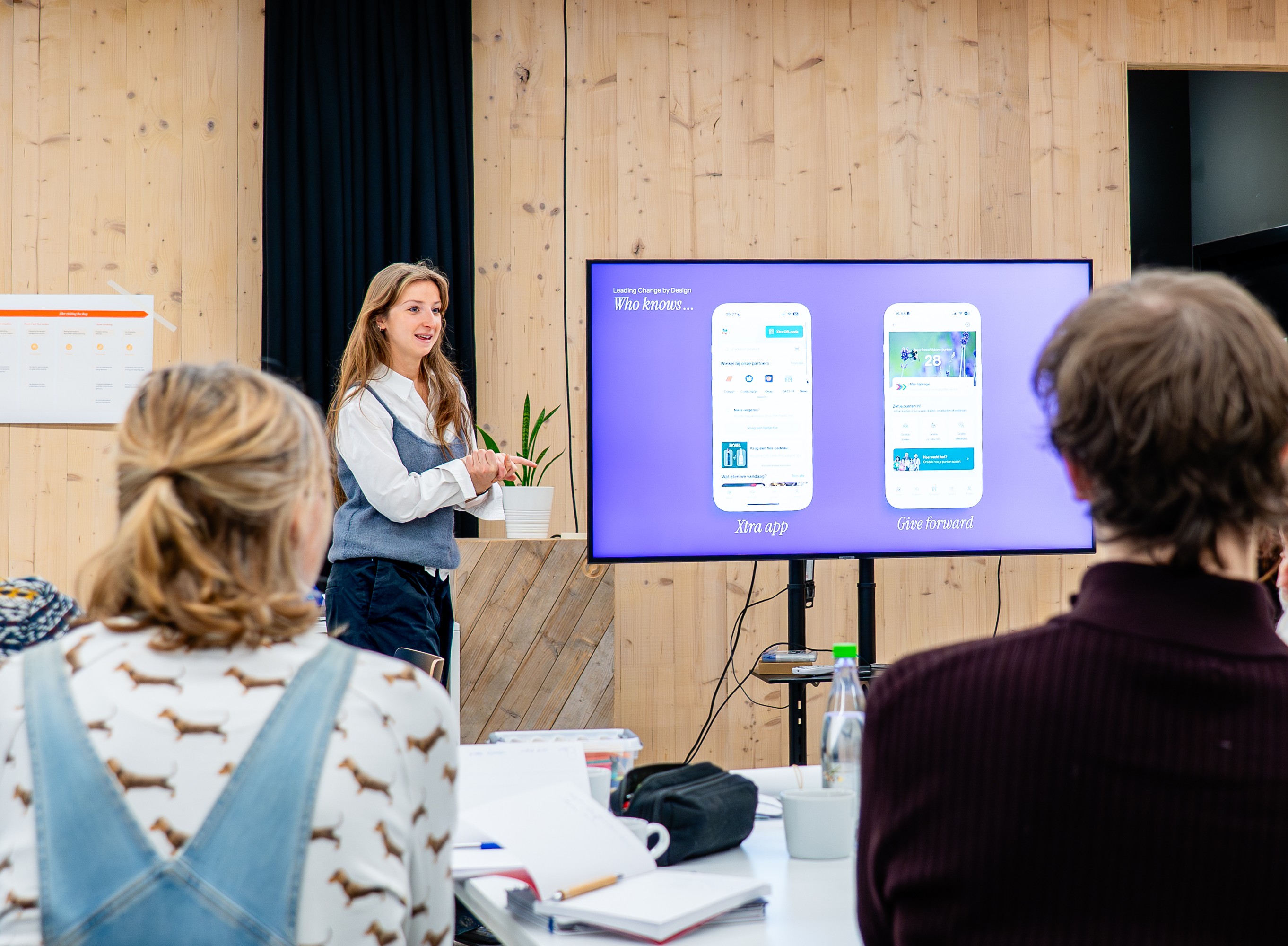
We facilitate co-creation sessions, design sprints and stakeholder workshops. As an outside facilitator we have one advantage you never have internally: we have no stake in the outcome. That makes it easier to ask the hard questions.
Onboarding, adoption and process friction
Customers who drop off midway through an application. An app that works well but doesn't get used. A form where people get stuck. An onboarding flow that asks too much at the wrong moment. Those are the questions that reach us most often, and the cause is usually not where people first look for it.
Making complex services simpler
Procedures that run across several services or departments. Regulation you can't remove but can make understandable. Forms that ask for what the system already knows. We redesign those processes from the user's point of view, within the rules that are simply there.
Implementation and change
A new service design fails if the people who have to deliver it aren't behind it. That's why we work with your staff from the start, and not just with the steering committee. We guide the rollout and put together the implementation plan, the internal communication and the training that goes with it.
Future exploration and innovation strategy
Sometimes the question isn't how to improve the service you have, but which service you'll be offering five years from now. We work with scenarios, trend research and co-creation with your stakeholders to build an innovation path you can sell internally. More on that at Superellipse Strategy Hub.

When do you bring in a service design agency?
Almost nobody calls and says "we'd like to do some service design." People call with a problem. Typical problems organizations come to us with:
- You want to understand the needs of your users or customers better.
- Customers drop off and you don't know why.
- You built an app or platform and adoption is lagging.
- Your onboarding asks too much at the wrong moment. New customers or new hires fall away in the first few weeks.
- Your application process loses people halfway through.
- Your service is scattered across departments.
- You want to launch a new service and you want to know whether it works before you spend budget on it.
- Your customer satisfaction is dropping and the usual measures aren't helping anymore.
- You have a complex or administrative procedure you're not allowed to simplify, but can make understandable.
- Your organization wants to get something done but doesn't know where to start, or can't get it moving internally.
- Your staff keep hitting walls in the system and work around it every day.
- You have a consultant's report with a good analysis but no design or implementation plan.
- A move, merger or reorganization is coming up and you want to get the service right from the start.
Recognize two or more? Then you probably have a service problem.
Service design, UX design, CX and design thinking: what's the difference?
These four terms get mixed up constantly, including by agencies. The difference isn't academic. It determines who you need.
In short: CX is the thermometer, service design is the treatment. CX tells you that something is wrong and how bad it is. Service design designs what you do about it. And design thinking is the way of working that service design uses, just as product design does.
Rule of thumb. If your problem sits in one screen or one flow, you need a UX designer. If your problem runs across multiple touchpoints, departments or channels, it's service design.
Customer journey map or service blueprint?
They come one after the other, not side by side.
A customer journey map shows the journey from the customer's point of view: what they do, see and feel at every step. We make it twice: how things run today, and how you want them to run.
The service blueprint starts from that target journey and flips the perspective around. Step by step, it sets out what your organization has to arrange: people, processes, resources, infrastructure, digital systems and data, leadership, and so on.
The journey map describes the experience you want. The blueprint describes what you have to organize in order to deliver it.

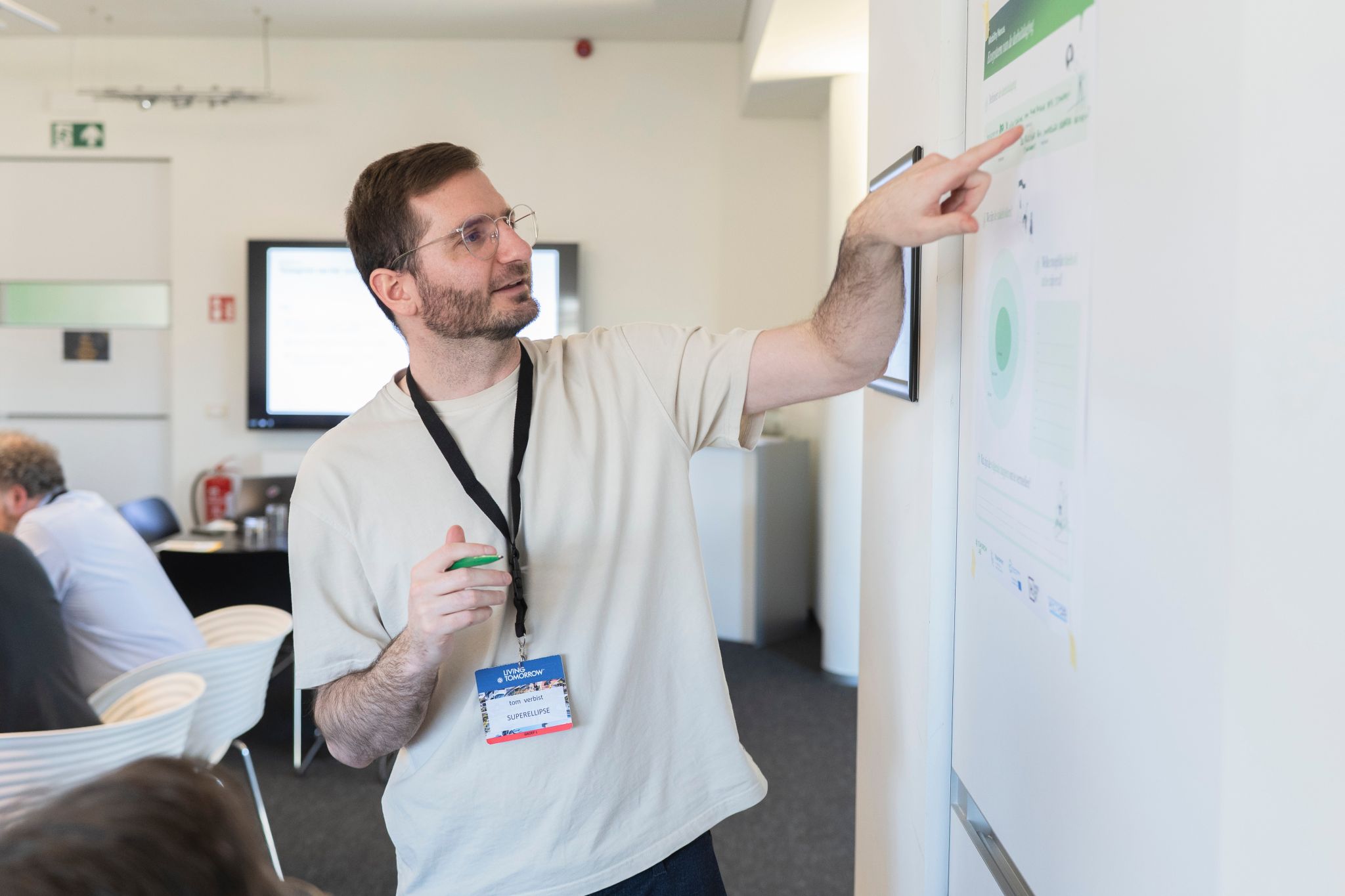
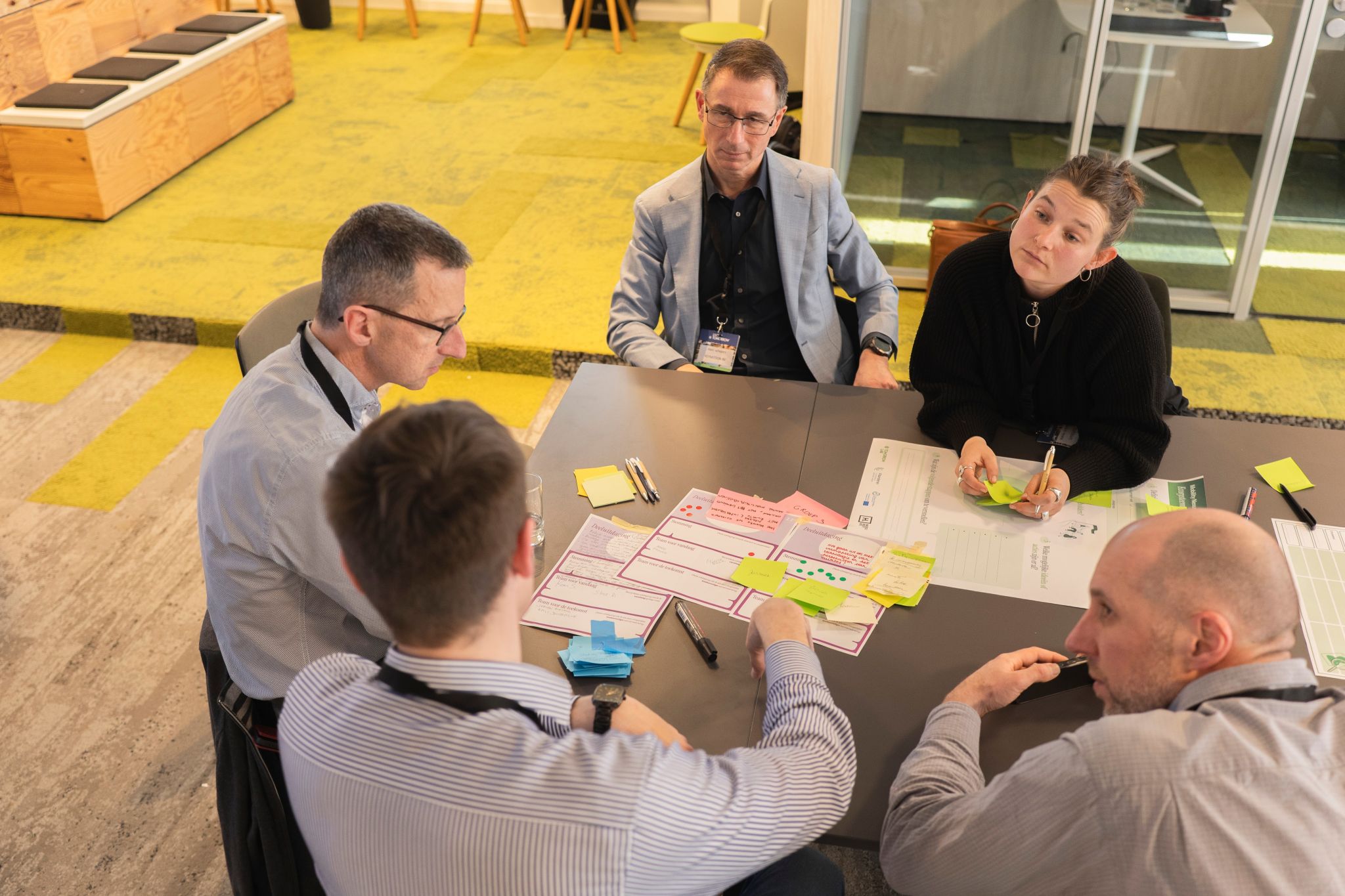

Our approach: from question to working service
Every client and every question is different, but there are six principles that come back in almost every project.
We always look at the full ecosystem. A service doesn't stop at your organization. Suppliers, partners, regulation, other services your customer also has to deal with.
We start from every stakeholder perspective. Customers, staff, managers, partners. None of them has the complete picture, and the bottlenecks are usually exactly where their pictures collide.
We ask the question behind the question. "Our app isn't being used enough" is rarely an app question. It's a symptom of something underneath.
We build co-creatively toward a solution that has support and can actually be implemented. A solution your people helped come up with is a solution they'll defend. And we design within what your organization can realistically handle.
We make it visual. Journey maps, blueprints, sketches, prototypes. What you can see, you can discuss.
Our work doesn't stop at handover. Everything we deliver is action-oriented, so your teams can carry it forward themselves. And where it's needed, we keep guiding the change or help build: the platform, the product or the physical setup.
Superellipse offers more than your average service design agency
We design the service and build what makes it work. Most service design agencies deliver a strategy and a blueprint and stop there. We also have the people to build the platform, design the product and set up the space. And we help the change land in your organization. One team, from first insight to full implementation.
Think first, then invent. We solve the real problem, not the one that happened to be put into words first.
Every design skill under one roof. Service design, user research, behavioral design, digital design, spatial design, product design, brand and graphic design, engineering.
From advice to implementation. Our Strategy Hub is strong in analysis, governance and program management. Our Experience Studio in design and making. If you need a service that works next month for the people using it, you call a design agency like Superellipse, one that handles both strategy and design.
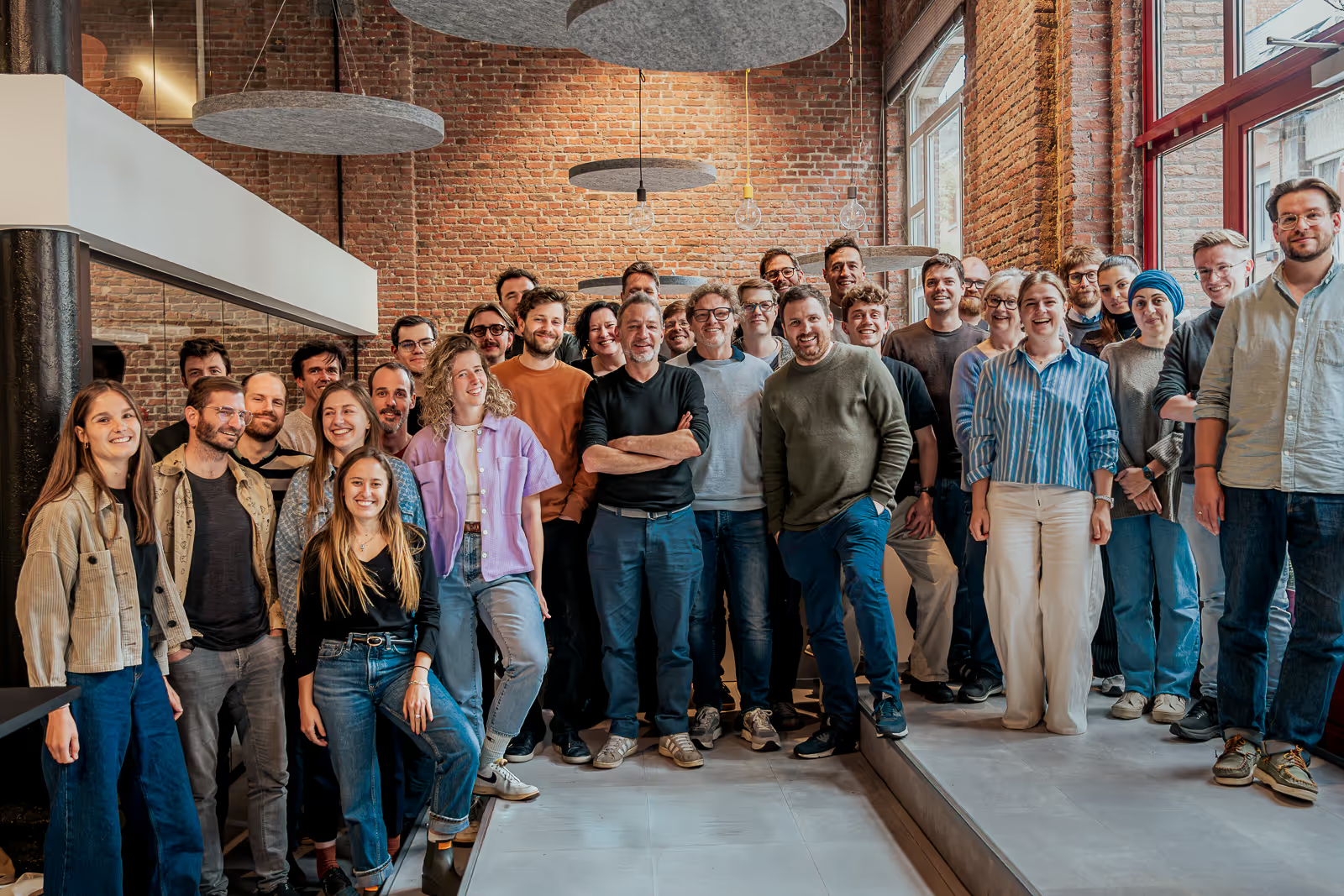
Experience that counts. More than 30 years of experience, a team of over 50 experts and more than 70 international design awards.

Recent service design projects


How might we work together?
A full project. From research to rollout. For organizations that want to rethink a service from the ground up or launch a new one.
A single phase. Already have the research? Then we start at the design. Already know what needs to happen but can't get it implemented? Then we start there.
A single workshop. A co-creation session, a design sprint or a stakeholder workshop with outside facilitation. One day, one concrete result, and a good way to find out right away whether there's a click.
Extra capacity. A service designer who works inside your team for a while, at your pace and with your people.

Ready to work on your service?
Book a free call with Tine. We'll look together at which approach works for your organization.

Frequently asked questions about service design
Service design is a human-centered way to design or redesign services. You look at the full journey someone goes through, across every touchpoint, online and offline. You don't just design what the customer sees, you also orchestrate the processes, systems and people that make the service work.
That depends on the scope: how many touchpoints, how many departments and whether we only design or build as well. We always work with a fixed price per phase, so you can decide after each phase whether to continue. You're never locked into an open-ended commitment. A first conversation and a ballpark price are free.
Research and journey mapping usually take a few weeks, design and testing a few weeks to a few months, and implementation depends on your organization. We agree the timeline for each phase up front.
Four questions get you clarity fastest. Can they show a case where the service was actually implemented, and not just designed? Who does the work: permanent staff or freelancers hired in per project? Can they also build what they design, or does it stop at a report? And are they willing to tell you when you don't need them? On top of that, always ask for a timeline and a price per phase.
UX design shapes the digital touchpoints down to the last detail: one screen, one app, one flow. Service design shapes the full journey across every channel, including the people and processes behind the scenes. Rule of thumb: if your problem sits in one screen, it's UX. If it runs across multiple touchpoints or departments, it's service design.
CX measures and describes how customers experience you, with numbers like NPS and CSAT. Service design designs and changes the service that produces that experience. CX is the thermometer, service design is the treatment.
They come one after the other, not side by side. A customer journey map shows the journey from the customer's point of view: what they do, see and feel at every step. You make it twice, for how things run today and for how you want them to run. The service blueprint starts from that target journey and flips the perspective around. It's part of the implementation roadmap and sets out, step by step, what your organization has to arrange: people, processes, resources, infrastructure, digital systems and data, leadership. The journey map describes the experience you want, the blueprint describes what you have to organize in order to deliver it.
No. Design thinking is a way of thinking and working. Service design is a field that applies that way of working to services, just as product design does to products.
Yes. Public services is one of our biggest areas of work: application procedures, service desks, digital services and citizen communication. We've helped more than 30 local governments and GBO partnerships, and have worked for Stad Nijlen, Stad Antwerpen, Stad Zonhoven, Stad Turnhout, Intercommunale Leiedal, GBO Midwest, Toerisme Vlaanderen and others.
Yes. Care pathways, reception, communication between care providers and patients, and the experience of the space itself. We've worked with AZ Sint-Maarten, ZNA, Connect Group's home nursing services and Newpharma, among others. Superellipse is also ISO 13485 certified, which matters most when medical products or devices are part of the service.
Yes. We facilitate standalone co-creation sessions, design sprints and stakeholder workshops. That's often the first step: one day, one concrete result, and you know right away whether the collaboration clicks.
No. Services play out on screens, in spaces, at service desks and through products. We design all four. That's the difference with agencies that only handle the digital touchpoints.
At the start we agree on what has to change and how you'll see it. That could be turnaround time, the number of people who drop off, the number of calls to the helpdesk, satisfaction scores or the time your staff lose to workarounds. Without that agreed baseline, you can't prove anything afterward.
Yes. Our studios are in Mechelen and Antwerp, and we work throughout Flanders, Brussels and Wallonia. For international projects we also have an office in Hong Kong.
Ready to innovate?
Reach out today and let us help you propel your business with bold human-centric design