R&D lab & tools for
In-house Prototyping
and pilotseries
We create prototypes and test setups in-house to do verification and validation tests throughout the entire project.

Physical prototypes provide valuable insights during the design process.
Our in-house Research & Development lab consists of a wide variety of tools and equipment, which allows us to build prototypes, test set-ups, assemble products, etc. It greatly improves the effectiveness of our product design and engineering services.
Why is this relevant for you?
Lean design process
Physical prototypes provide valuable insights during the design process. In-house prototyping allows us to gather these insights instantly.
Reduced risk
With in-house created prototypes and test setups, we validate assumptions and optimize our design at an early stage.
Link between suppliers
Our broad network of suppliers enables us to easily select and combine the right expertise to build the best possible prototype for every situation.
Reduced time-to-market
Our lean design process allows you to enter the market faster. Once the final design is confirmed, our network can quickly scale up production.
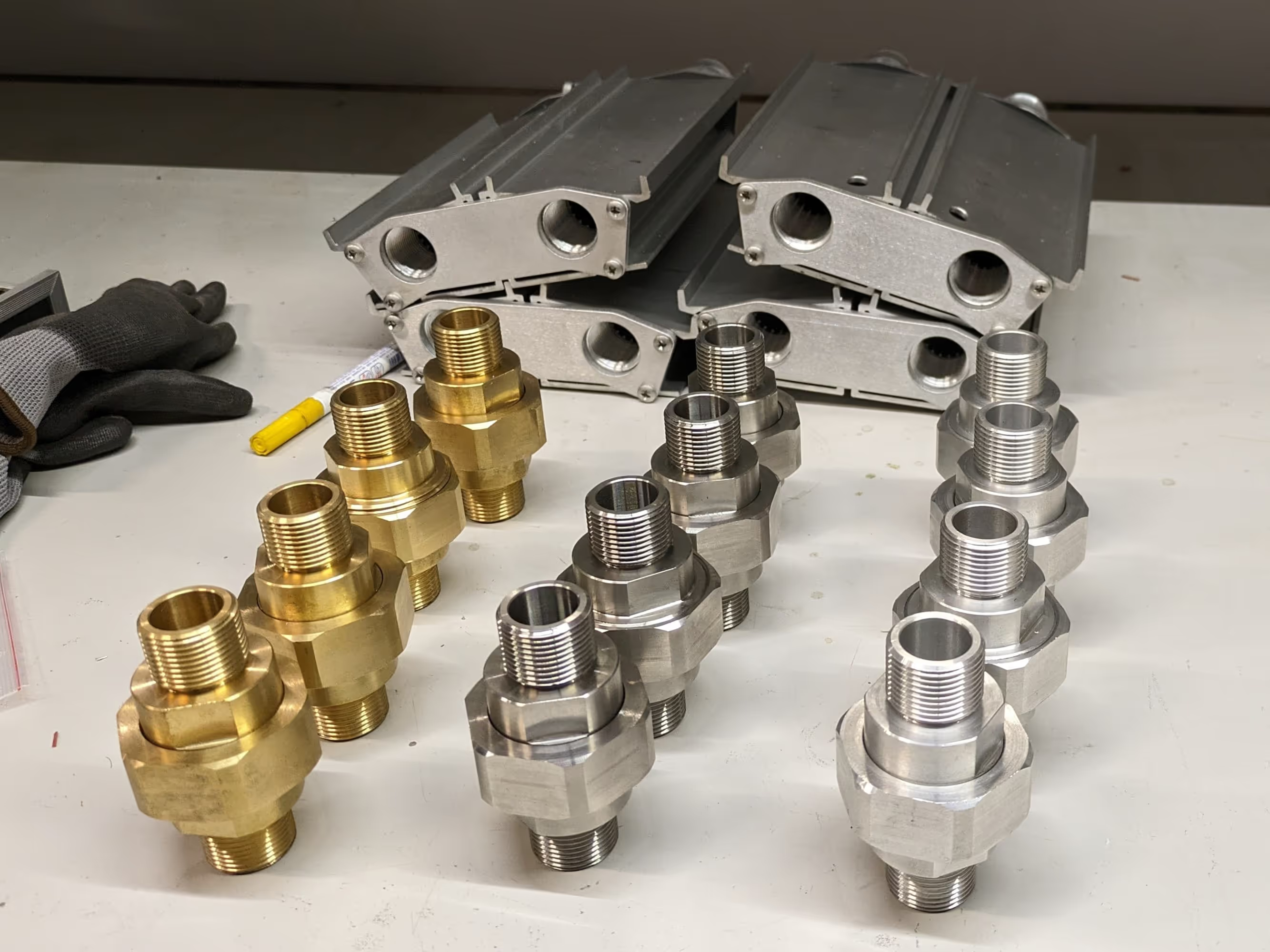
Our facilities
We have a 300m² prototyping and pilot batch area where we provide everything for quick evaluation or production-ready parts:
- 3D printers (FDM, SLA & SLS)
- Laser cutter
- Electronics lab
- Woodworking and metalworking tools
- Pre-compliant mechanical test equipment
- Climate chamber
- Textile prototyping tools
- Spraypainting booth
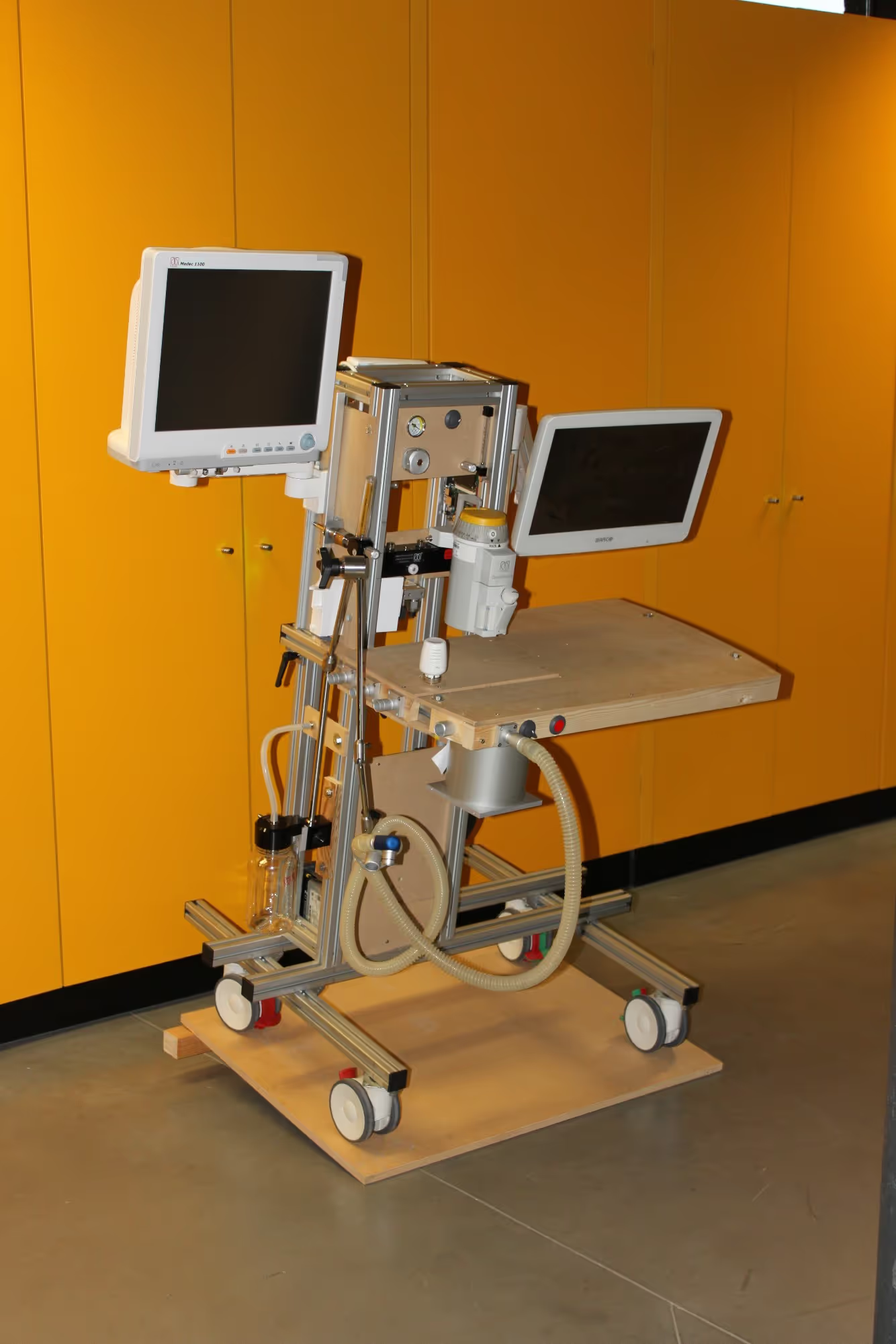
Proof of value, proof of concept
Build, test, improve, repeat. We prototype fast to prove your concept works before you invest big. Quick iterations mean we find problems early and fix them cheap.

Prototyping
Start simple, add complexity as needed. Basic prototypes test ergonomics, proportions and feel. Richer functionality and electronics assess real user interaction and performance.
User research
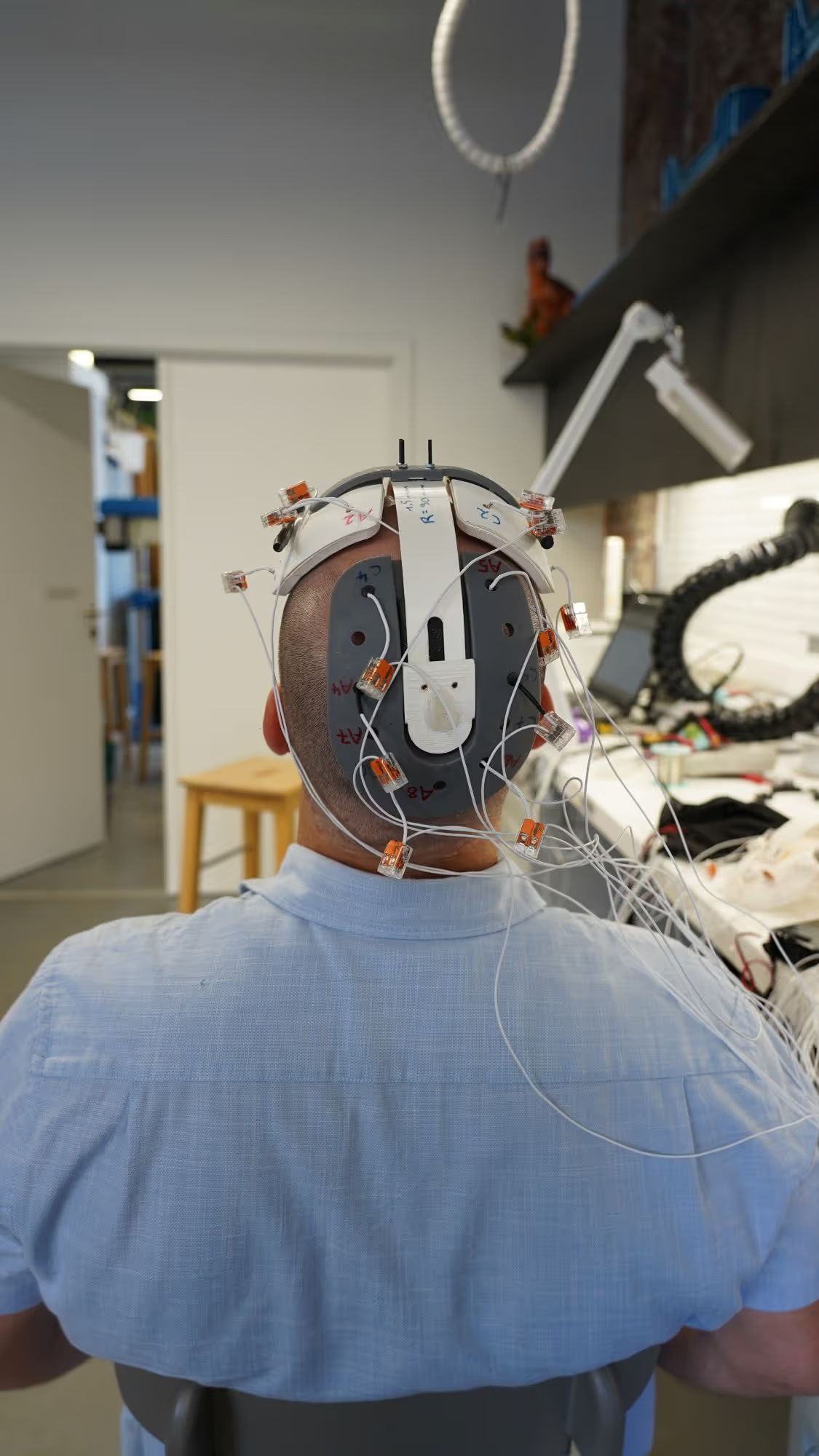
In order to develop an effective, efficient and satisfactory product, user research is key. Early on in the design process this means understanding their behaviors, needs and motivations. If these aren’t known beforehand, they can be identified through observation techniques, task analysis, think aloud protocol, and other methods. In the later stages of the design process, the focus is on evaluating designs with the target group. These usability tests require a clearly defined context of use, performance and satisfaction criteria, and a testing procedure based on the ISO62366 usability guidelines (or ISO 13485 in case of medical devices). Some common evaluation methods we use are: interviews, focus groups and surveys.

Testing & verification
We test both from a user perspective and from an engineering performance perspective during the design process. Both are equally important in our approach to reduce the risks when a product is launched on the market.
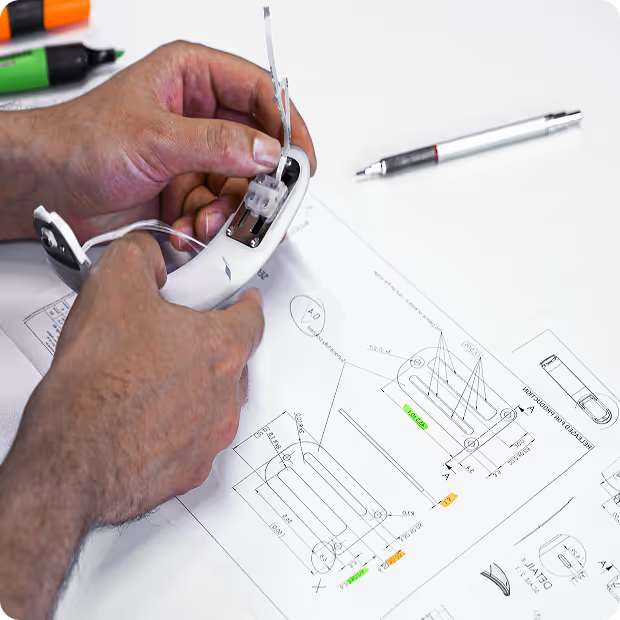
Quality control & inspection
We track and control the quality of prototypes throughout the entire design process. This means we catch issues early and deliver reliable results.
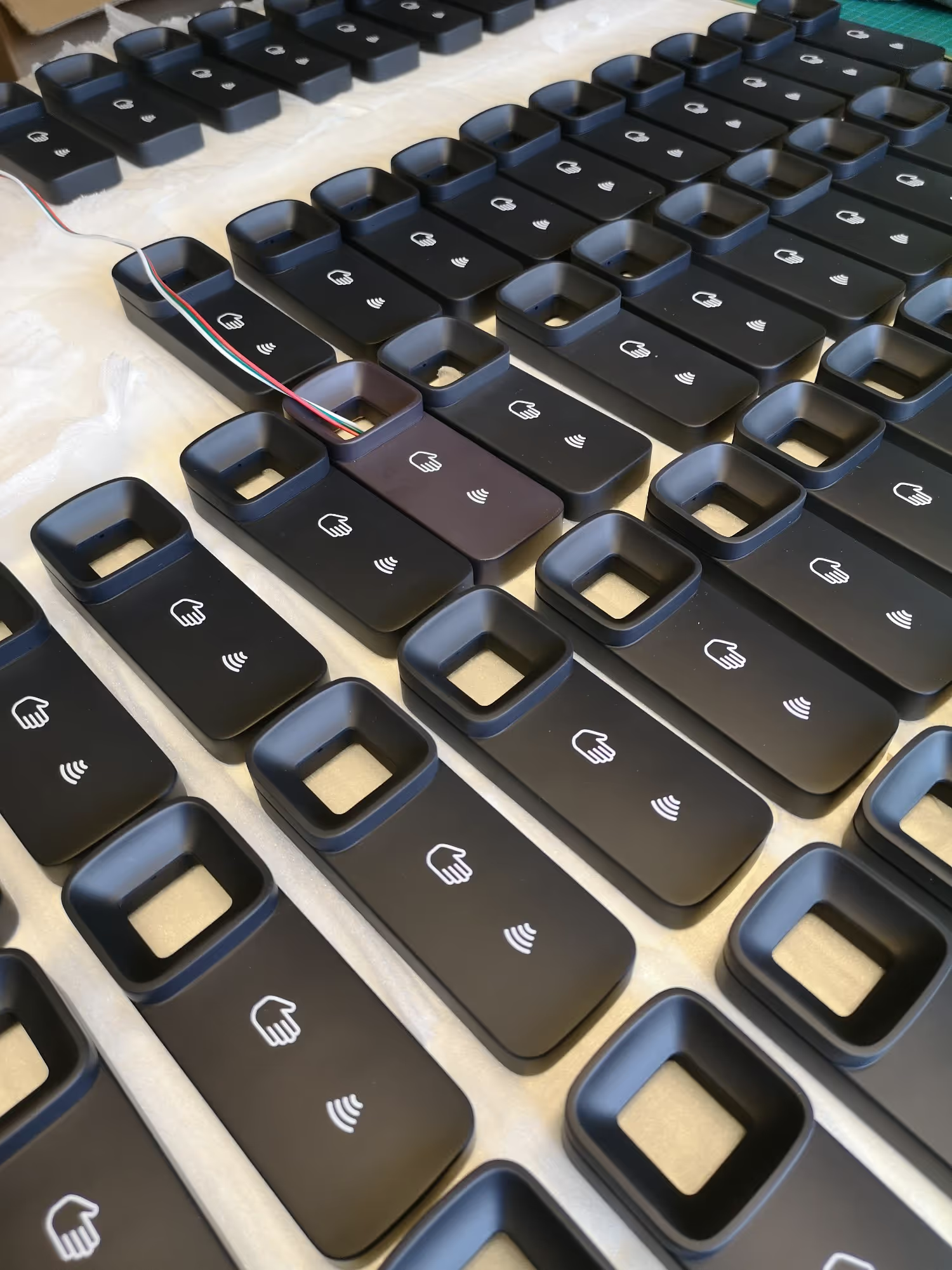
Pilotseries
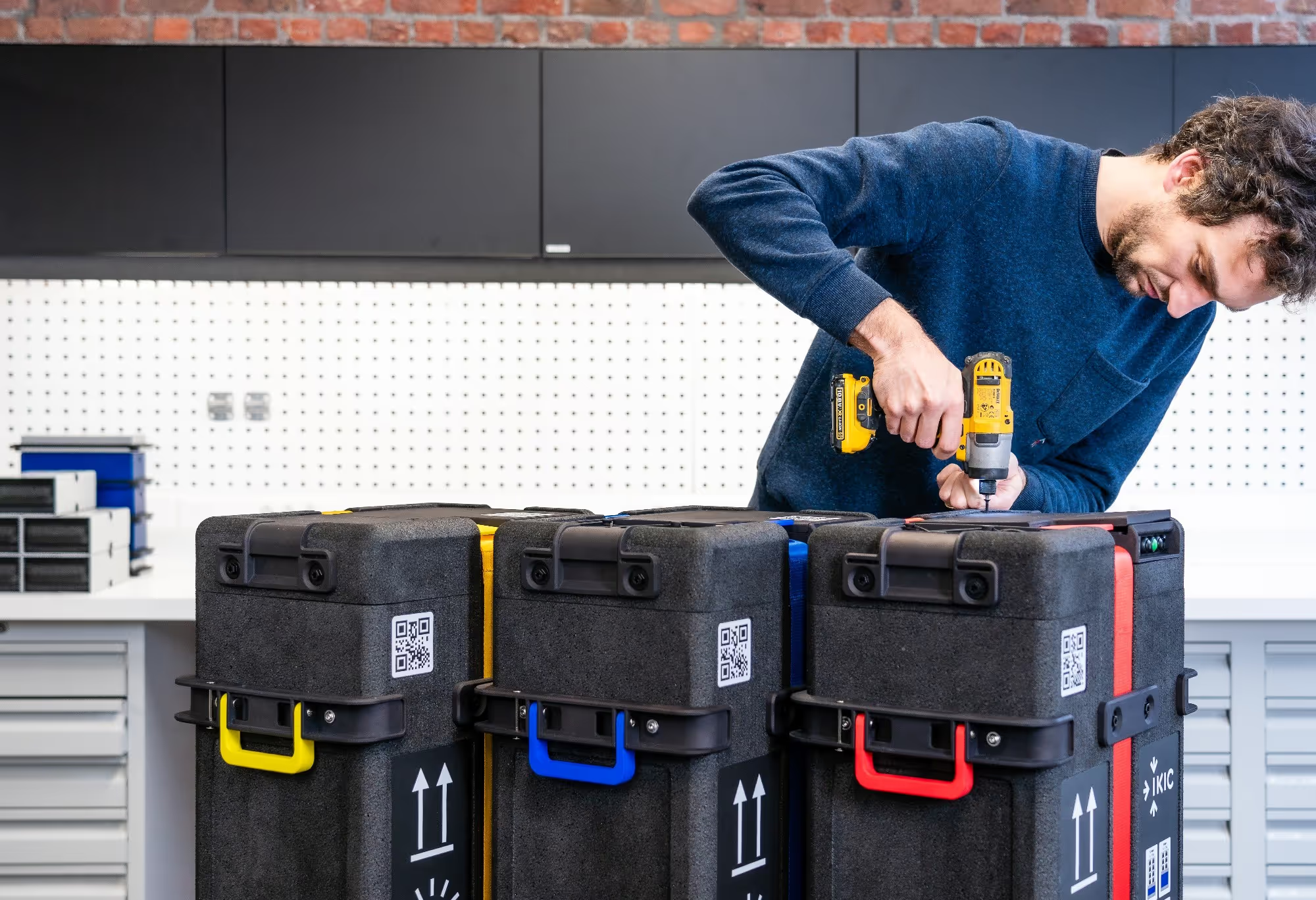
We always design our products with scalability in mind. When we combine our in-house expertise and capacity with our supplier network, we can help our clients to seamlessly migrate from a development to production state. We have the facilities for the rollout of a first series of e.g. 50 products.
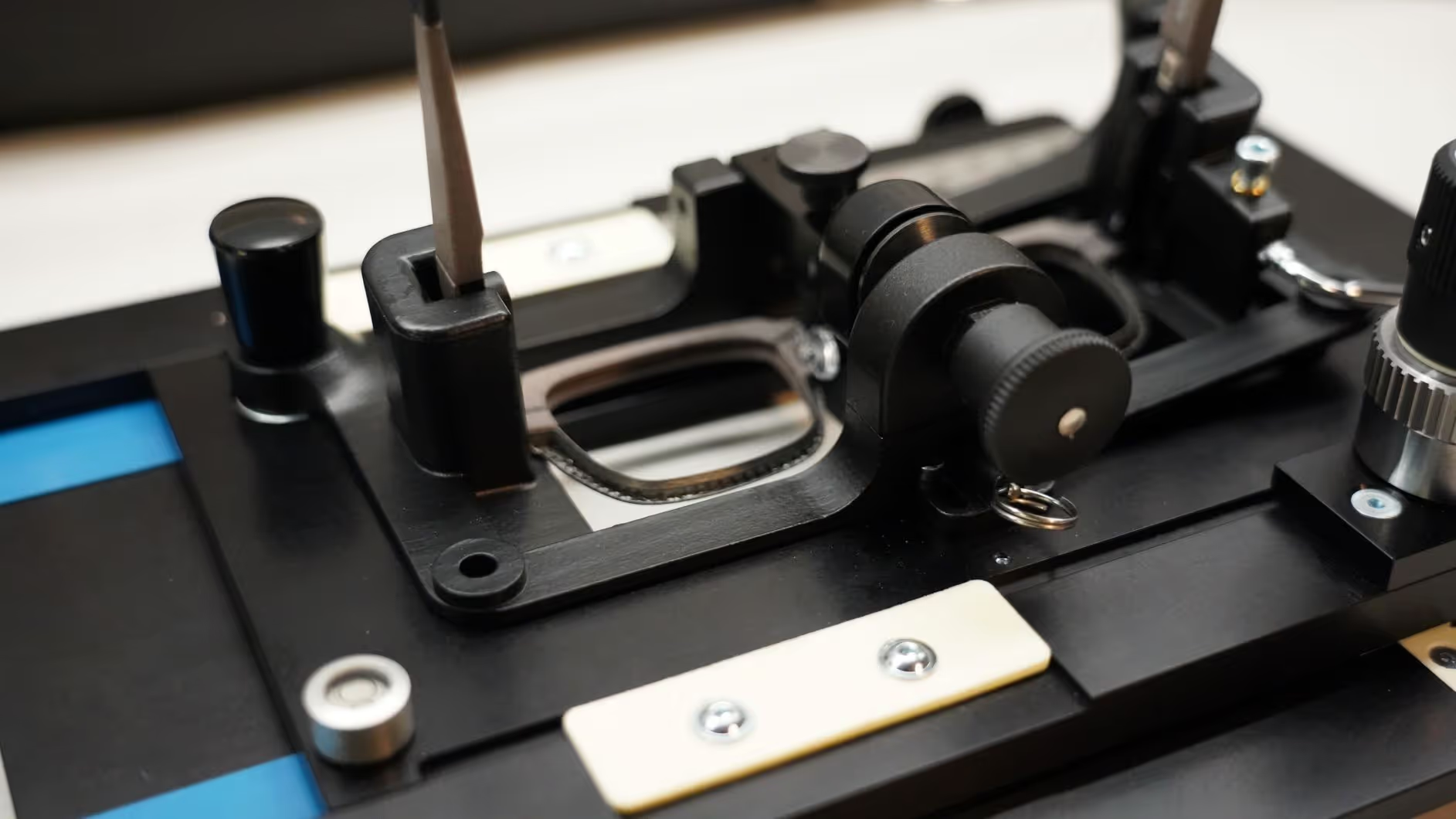
Assembly tools
Once production volumes start to rise, it’s important to set up an effective assembly process. We can develop and build assembly tools and jigs that allow an easy and accurate assembly of devices. They can also support testing of (sub)sytems before they are being shipped.
“From day one the prototyping facilities were valuable in the development of Moonbird. From the first models to the first batch of functional devices for user testing.”
Michael Broes
Founder Moonbird
Ready to innovate?
Reach out today and let us help you propel your business with bold human-centric design